A Phone You Use as Little as Possible
As Kaiwei Tang watched Silicon Valley measure success in hours of user capture, he began asking a question: What if a phone could give your time back instead of taking it?
When Kaiwei Tang quit his job in 2014, his first idea was fairly conventional: build a new smartphone. Maybe with a slightly better camera. But when he joined a Google incubator in New York, he quickly realized that the problem wasn’t that existing phones weren’t good enough. It was that they were too good at capturing our attention.
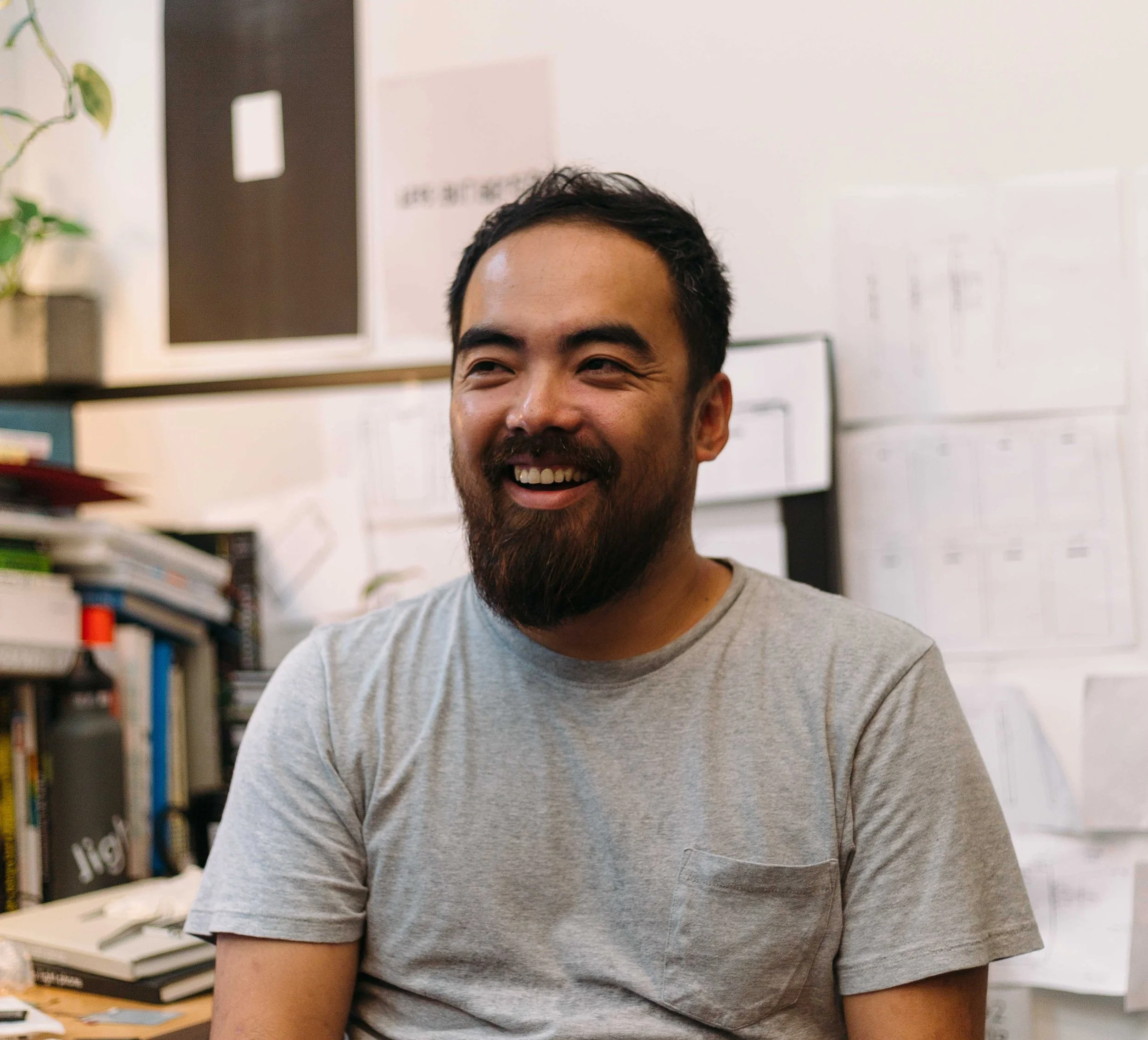
– All the conversations were about how many hours users spend inside an app, he recalls.
– That was the measure of success. And all the information was being sold to the highest bidder. I kept asking myself: what about me, the user? What about our quality of life?”
The Birth of a Phone Meant to Be Used Less
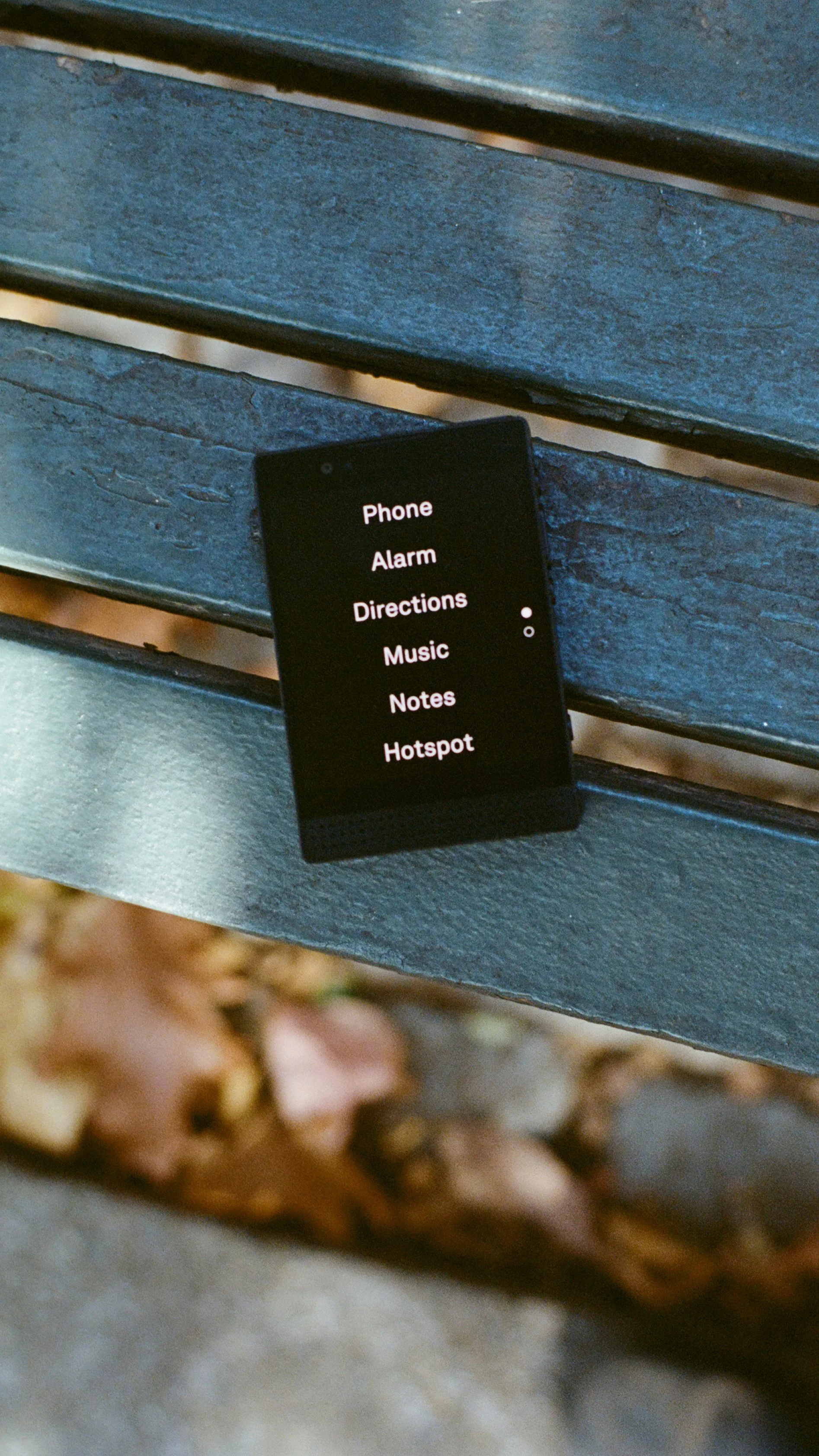
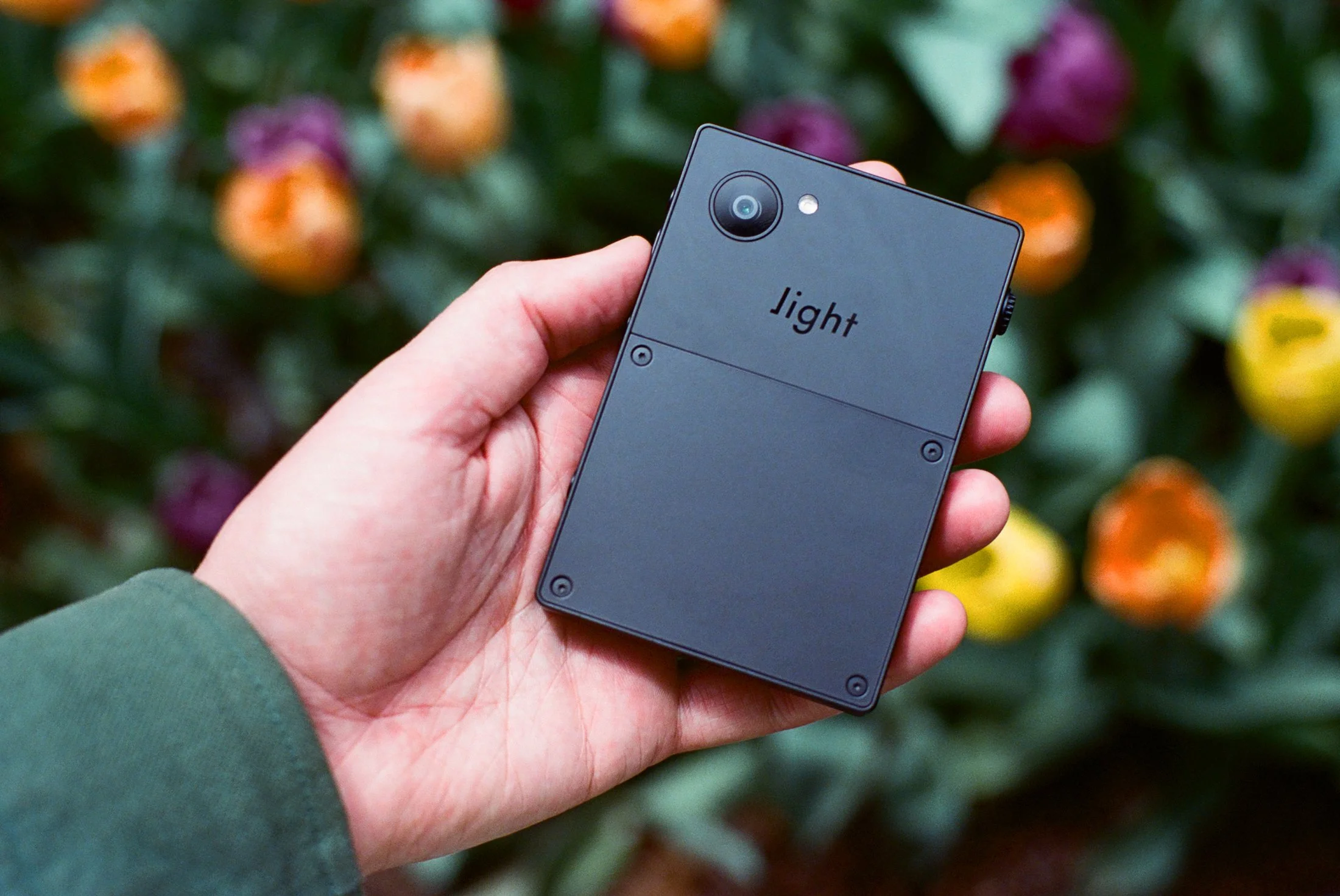
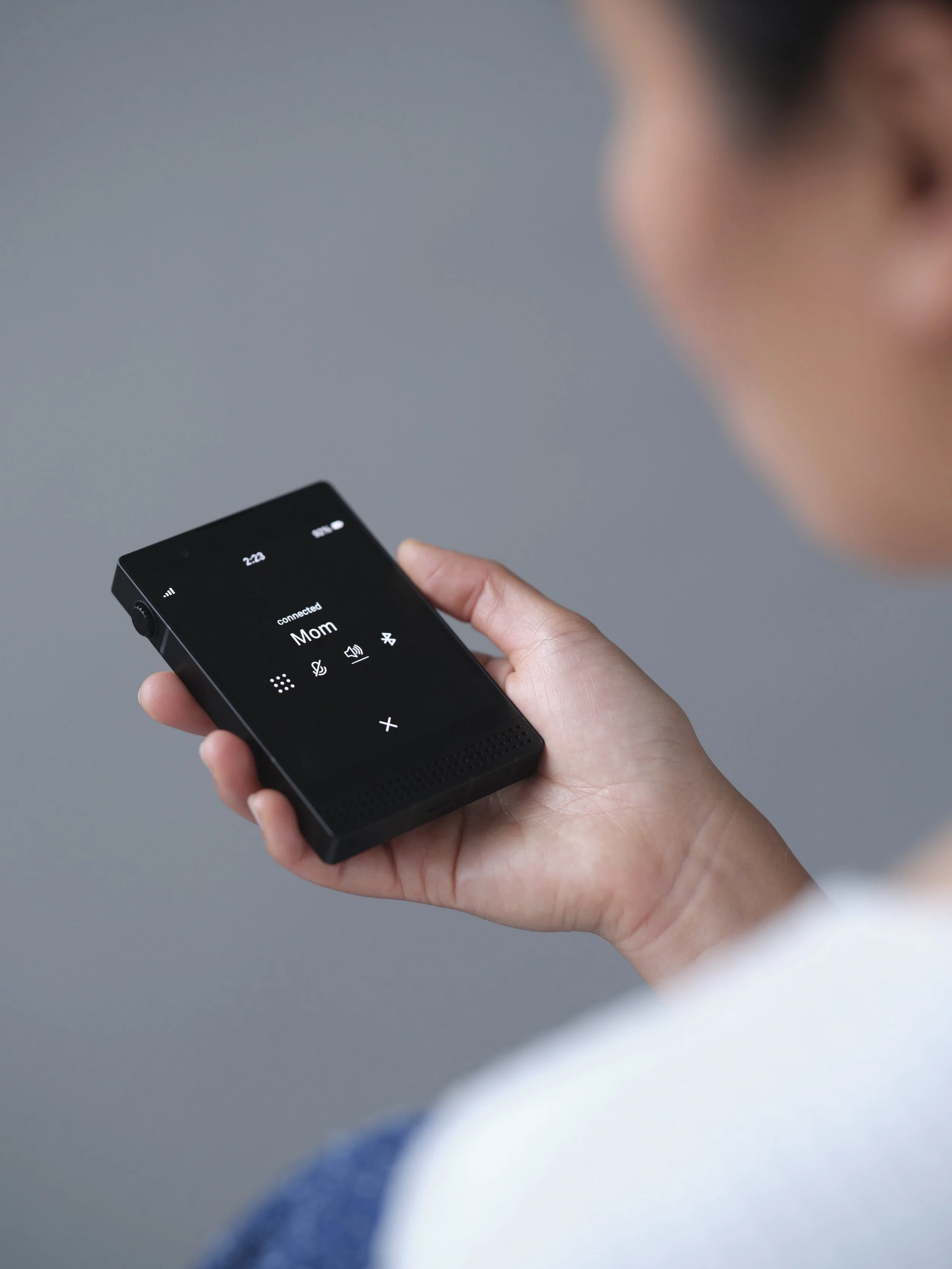
That question became the seed for the Light Phone. Instead of optimizing for “time on screen,” Tang and his co-founder set out to make a tool that people would use as little as possible.
– The point isn’t to go back to living in a cave, Tang says.
– The point is to move forward to design something that helps you do what you actually want to do, without your mind being hijacked by social media.
The first Light Phone was released in 2015, the Light Phone 2 in 2019, and the latest model in 2025. Over the years, the device has steadily grown in popularity. Some people use it alongside their smartphones, while others rely on it full-time.
Why the Light Phone Resonates
Surprisingly, many parents have also begun buying Light Phones for their children, even though it was never designed as a kids’ device.
For Tang himself, life without a smartphone has become second nature.
– I notice the people around me more. And honestly, ninety percent of the time they’re looking at their phones. You can see someone checking it with no purpose at all. If that isn’t addiction, what is? he asks.
– I’m not saying smartphones aren’t useful. But they occupy almost every part of our lives. We go to bed with them; we wake up with them. And the attention economy is only going to get bigger.
Stories That Keep the Mission Alive
The customers who choose the Light Phone often describe profound changes. Every year, Tang and his team collect their stories.
– People tell us they feel less stressed, that they read more, become more creative and productive, build better relationships, and have less anxiety, he says. He compares it to food:
– A hamburger might look more appealing, but the vegetables are what make you healthier.
The vision, however, was never easy to realize.
– Phones are usually built by giant companies with billions of dollars. We were just two guys. A phone is the most advanced miniature technology in existence. Thousands of components, each made by a different supplier. It was an enormous challenge. But we felt this product had to exist. There was no way out.
A Different Kind of Tech Revolution
What kept them going were the stories: a father who bought Light Phones for his entire family after realizing that his children were begging him to put down his smartphone; students who found they could finally relax and enjoy life again.
– These life-changing stories are our number one motivation, Tang says.
– What else has that kind of impact, stopping someone from swiping while they’re talking to their friends?
From the beginning, the company has relied almost entirely on word-of-mouth.
– We don’t do any paid advertising, Tang explains.
– We believe the product speaks for itself, because it gives people something back that’s more valuable than anything: their own time.
For Tang, the lesson of the journey is simple but radical. Technology doesn’t just have to take our attention, it can also give it back.
– The question for us was never ‘how do we keep you using our phone?’ he says.
– It was always: ‘how do we design something that sets you free?’